Herbal Liquor Education Workshops in Connecticut
Crafting Connection Through Botanicals, Tradition and Wellness
Join me, Jody Murphy, RN, for a hands-on herbal liquor class where you’ll learn to craft small-batch infusions like Limoncello and Kahlúa using real herbs and wellness-inspired recipes. We’ll blend tradition, nature, and fun—so you leave with a finished bottle, practical know-how, and a deeper appreciation for botanical medicine.
What Is Herbal Liquor Making?
Herbal liquor making is a hands-on tradition that infuses alcohol with medicinal herbs, fruits, and aromatic spices to create small-batch liqueurs like Limoncello, Kahlúa, or herbal digestifs.
This ancient practice blends wellness and flavor. You steep fresh or dried botanicals in spirits like vodka, brandy, or grain alcohol to draw out their natural benefits.
It’s more than a recipe—it’s a creative, sensory experience that connects you to nature, herbal wisdom, and seasonal wellness.
Herbal Liquor Making: A New England Tradition
Herbal liquor making is more than a craft—it’s a living tradition rooted in New England’s history. Early settlers and Indigenous communities used regional herbs, berries, and roots to create tonics, cordials, and elixirs that supported wellness and tasted amazing.
These infusions weren’t just for celebration. They were healing, seasonal, and handed down through family recipes. Today, we continue that tradition with small-batch botanical liqueurs that honor nature, creativity, and connection.
In every Good Life VC workshop, you’ll learn how to safely select herbs, blend flavors, and make herbal liquors that support your body and delight your senses.
Want to Learn How to Make Herbal Liquor?
Foraging Classes at Good Life VC
Why Make Herbal Liquors?
Herbal liquor making connects you to history, healing, and your hands. These aren’t just fancy cocktails—these are folk remedies with stories, science, and soul.
At Good Life VC, you’ll learn from a registered nurse who’s also trained in holistic care. That means you get the best of both worlds: safe, thoughtful guidance with plenty of room for curiosity and play.
We’ll keep it easy to follow and hands-on. You’ll touch, smell, taste, and create.
You’ll learn the differences between:
Bitters vs. liqueurs
Aperitifs vs. digestifs
Tinctures vs. syrups
Infusions vs. extracts

History & Purpose of Herbal Liquors
Herbal liquors have always been more than just drinks.
From monks and midwives to grandmothers and kitchen healers, generations have infused herbs into wine, brandy, and spirits—not only for flavor, but for healing, ritual, and connection.
Originally crafted as elixirs or digestifs, these botanical blends were used to ease digestion, calm nerves, and bring people together around the table.
Today, we carry that tradition forward—fusing herbal wisdom, culinary creativity, and holistic care.
Herbal liquors aren’t just for sipping. Here are popular ways you can enjoy them:
Digestive aids
Soothe after meals with tradition-backed ingredients
Sauces + Marinades
Infuse meals with botanical richness
Cocktail Mixers
Add depth and intention to your drinks
Herbal Remedies
Support immunity, sleep, and stress naturally
Homemade Gifts
Share something personal, local, and handcrafted
Workshop Topics & Skills You'll Learn
Herb Identification
Safe sourcing of Connecticut's wild herbs and plants.
Flavor Bending
Principles of balance, bitterness, and aromatics.
Infusion Bases
Choosing Spirits: Vodka, brandy, neutral alcohol.
Infusion Timing
Optimizing steep times for maximum flavor and effect.
Filtering & Bottling
Techniques for clarity, labeling, and storage tips.
Alcohol-Free Options
Crafting glycerin-based herbal infusions.
Herbal Liquor History
Origins, traditions, and evolution in New England.
Community & Culture
Connecting with fellow enthusiasts and local resources.
Popular Homemade Herbal Drinks
Our Favorite DIY Liquors, Health Tonics, Wellness Elixers
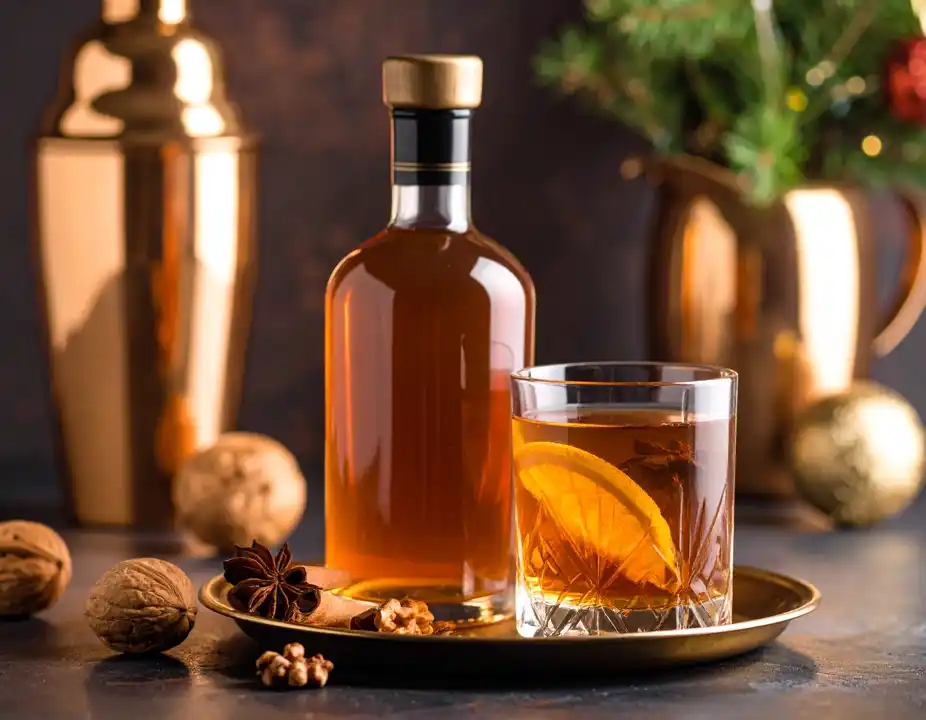
New England-Style Spiced Nocino
Traditional Italian Walnut Liqueur
Ingredients
10 green walnuts
2 cinnamon sticks
5 cloves
1 star anise
1½ cups base spirit of choice
½ cup sugar or maple syrup
Preparation
Combine quartered walnuts and spices with vodka or brandy in a jar.
Infuse in a cool, dark place for at least 4 weeks, shaking weekly.
Strain infusion thoroughly.
Sweeten with sugar or maple syrup to taste.
Age an additional 2 weeks for deeper flavors. Bottle, label, and serve neat or over ice.

New England Elderflower Liqueur
Homemade Martini Mixers
Ingredients
1 cup fresh elderflowers (or dried)
2 cups neutral grain alcohol or vodka
½ cup sugar or honey
Peel of half a lemon
Preparation
Place elderflowers, lemon peel, and alcohol in a jar.
Infuse for 2 weeks in a cool, dark spot, gently shaking occasionally.
Strain through cheesecloth, discarding botanicals.
Dissolve sugar or honey into infusion, mixing thoroughly.
Bottle, label, and enjoy chilled or in cocktails.
More Popular Liquors You Can Make At Home
| Name | Main Ingredient | Taste Profile | Key Botanicals | Historical Origin |
|---|---|---|---|---|
| Chartreuse | Alpine Herbs | Sweet, spicy, herbal | 130+ alpine herbs | 1605, French monks |
| Amaro | Gentian Root | Bitter, warming | Gentian, citrus peel, cinnamon | 19th c. Italy |
| Génépi | Artemisia | Piney, floral, dry | Artemisia, alpine flowers | Savoy Alps |
| Bénédictine | Angelica | Spicy, sweet | Angelica, hyssop, clove | 16th c. France |
| Nocino | Green Walnuts | Rich, nutty, spicy | Green walnuts, cinnamon, clove | Italian folk tradition |
| Absinthe | Wormwood | Anise, herbal, strong | Wormwood, fennel, anise | 18th c. Switzerland |
| Fernet | Myrrh | Bitter, minty, earthy | Myrrh, rhubarb, chamomile | 19th c. Italy |
| Aquavit | Caraway Seeds | Caraway, citrus, spicy | Caraway seeds, dill, citrus peel | Scandinavia |
| Elderflower Cordial | Elderflower | Floral, sweet, refreshing | Elderflower, lemon, honey | Northern Europe, Britain |
| Strega | Saffron | Herbal, sweet, vibrant | Saffron, mint, fennel, juniper | 1860, Italy |
| Drambuie | Heather Honey | Sweet, warming, herbal | Heather honey, herbs, spices | 18th c. Scotland |
| Becherovka | Cinnamon | Warm, spicy, bittersweet | Cinnamon, anise, cloves | 1807, Czech Republic |
| Licor 43 | Vanilla | Sweet, citrusy, smooth | Vanilla, citrus peel, aromatic herbs | Ancient Roman recipe, Spain |
Join Us for an Herbal Liquor Workshop
Learn to blend healing herbs, spices, and spirits into your own liqueurs, tonics, and elixirs. Led by Jody Murphy, RN, these workshops combine traditional recipes, seasonal plants, and hands-on learning to reconnect you with nature, flavor, and folk medicine.
What Makes Good Life VC’s Workshops Unique?
Clinical Expertise
Taught by Jody Murphy, RN and holistic wellness educator, each session blends hands-on herbal crafting with safety, science, and care.
Holistic Integration
Our classes connect traditional herbalism with mindful wellness, grounding every recipe in body, spirit, and seasonal rhythms.
Nurturing Environment
Workshops are welcoming, relaxed, and beginner-friendly—no prior herbal knowledge or experience needed to feel at home.
Personalized Care
Each group or private class can reflect your goals—whether you're here for wellness, tradition, creativity, or connection.
Meet Your Instructor

Jody Murphy, RN, MPH
Registered Nurse | Certified Reiki Practitioner | Foraging & Herbal Workshop Leader
Jody Murphy grew up immersed in the rhythms of nature—harvesting wild plants, tending gardens, and learning from generations of homesteaders in rural New England. Her early love for the land evolved into a lifelong passion for healing, leading her to become a Registered Nurse and certified holistic practitioner.
Today, Jody brings her deep-rooted knowledge of local ecosystems, herbal traditions, and whole-body wellness into every foraging and wild food workshop she leads in Connecticut. With a teaching style that’s equal parts grounded and nurturing, she helps you build confidence in identifying edible plants while staying safe, ethical, and inspired.
Whether you’re new to foraging or looking to reconnect with nature in a deeper way, you’ll find Jody’s classes welcoming, informative, and rich with heart.
Foraging & Herbal Liquor Workshops in Connecticut
Explore hands-on, small group or private foraging and herbal liquor classes in the heart of Connecticut with Jody Murphy, RN. These workshops blend traditional wild food wisdom with modern wellness practices to help you reconnect with nature, learn ancestral skills, and craft delicious, medicinal infusions.
- Workshop Length:
Each class runs 2–3 hours and includes guided foraging, herbal education, and kitchen-based instruction in a relaxed, supportive setting. - Location:
Held at Good Life Vitality Center’s cozy kitchen space in Shelton, CT, or at nearby Fairfield County venues. Outdoor segments may include forest walks, garden foraging, or patio sessions (weather permitting). - What to Bring:
Wear weather-appropriate, comfortable clothing and closed-toe shoes. Bring a notebook, pen, reusable water bottle, and a healthy curiosity about wild herbs and spirits. All core ingredients are provided unless otherwise noted. - What’s Provided:
You’ll receive everything you need: foraged herbs, organic spices, infusion jars, easy-to-follow handouts, and RN-guided instruction. Classes include optional liqueur tastings (for guests 21+).
Start Your Wellness Journey at Good Life VC
Many workshop participants are inspired to continue their journey with other holistic services at Good Life VC. All offerings are available in-person across Fairfield and New Haven Counties or virtually:
Personalized Wellness Consultations – Holistic health guidance rooted in both nursing science and natural support — including breathwork, daily rhythms, and restorative habits.
Restorative Hatha Yoga – Gentle, healing movement to strengthen the body and calm the nervous system — perfect for beginners and those navigating chronic conditions.
Mindful Nature Walks & Forest Meditations – Slow, sensory-based outdoor sessions that help ground your energy and clear mental clutter.
Reach Out About Herbal Liquor Workshops in Connecticut
Interested in learning how to craft your own herbal liqueurs, elixirs, or tonics? Whether you're curious about upcoming classes, want to book a private workshop, or have a question about ingredients or format. I’d love to connect. All sessions are designed to be approachable, educational, and rooted in both tradition and wellness.
415 Howe Ave, 3rd Floor S. Shelton CT 06484
Based in Shelton, CT. We serving clients Yoga needs across Fairfield, New Haven Counties and beyond both in person and virtually.
Frequently Asked Questions About DIY Liquors, and Liquor Workshops
What’s the Difference Between a Liquor and Liqueur?
Though the words sound similar, liquor and liqueur are two distinct types of spirits, each used differently in both traditional and modern herbal preparation.
What’s are Liquor (Base Spirit)?
Liquor is distilled alcohol like vodka, gin, or brandy. It’s strong, unsweetened, and used as the base for infusions and tinctures.
Liqueur (Flavored, Sweetened)?
Liquor is distilled alcohol like vodka, gin, or brandy. It’s strong, unsweetened, and used as the base for infusions and tinctures.
How do you make herbal liqueur at home?
To make herbal liqueur at home, soak herbs in a high-proof alcohol like vodka or brandy for 2–4 weeks, then strain and sweeten to taste. This creates a shelf-stable infusion that blends flavor with gentle herbal effects.
What herbs are best for making liqueur?
The best herbs for liqueur depend on flavor and function. Common choices include mint, chamomile, rosemary, lemon balm, basil, and fennel. Bittersweet herbs like wormwood or gentian are used sparingly for digestive blends.
What does herbal liqueur taste like?
Herbal liqueur tastes earthy, aromatic, and sometimes bitter or sweet depending on the herbs used. Some are light and floral, others are bold and spicy. The taste develops over time as the herbs steep into the alcohol.
Is herbal liqueur the same as bitters?
Herbal liqueur isn’t the same as bitters. Bitters are much more concentrated, used by the drop in cocktails. Herbal liqueurs are often sipped or mixed in larger amounts, and usually have more sugar and a smoother finish.
What’s the difference between amaro and herbal liqueur?
Amaro is a type of herbal liqueur from Italy that’s typically bitter and used after meals. Not all herbal liqueurs are amaros—some are lighter, sweeter, or floral rather than bitter. Amaro is just one style within the category.
Can you use fresh herbs in homemade liqueur?
Yes, you can use fresh herbs to make liqueur. Just be sure to wash and dry them well, and know that fresh herbs tend to infuse faster but may shorten the shelf life. Dried herbs are more shelf-stable and potent over time.
How long should you steep herbs in alcohol?
Most herbs should steep in alcohol for 2 to 4 weeks. Delicate herbs may only need a few days, while stronger roots or seeds can go longer. Taste it weekly to find the right balance of flavor and strength.
Are homemade herbal liqueurs safe to drink?
Homemade herbal liqueurs are safe to drink when made with food-safe alcohol and edible herbs. Avoid toxic plants and always research herb safety, especially for internal use. Alcohol acts as a preservative if stored properly.
Do herbal liqueurs have health benefits?
Herbal liqueurs may offer gentle digestive or calming effects, depending on the herbs used. They’re not a substitute for medicine, but traditional blends like bitters and digestifs have long been used to soothe the body after meals.
How do you store homemade liqueur?
Store homemade liqueur in a clean glass bottle, away from heat or sunlight. Once strained and sealed, most will last for months. Refrigeration isn’t required unless fresh ingredients were added after straining.
How much alcohol should you use to make herbal liqueur?
Use enough alcohol to fully cover the herbs—usually a 1:4 herb-to-alcohol ratio by volume. Vodka, brandy, or neutral spirits around 80–100 proof work well. Higher proof extracts more flavor, but faster.
Can you make herbal liqueur without sugar?
Yes, you can skip sugar or use alternatives like honey, maple syrup, or stevia. Unsweetened liqueurs are stronger and more bitter, similar to tinctures or digestifs. Add sweetness only if desired.
How do you use herbal liqueur in cocktails?
Herbal liqueur adds complexity to cocktails. Use it like a modifier: splash it into spritzes, stir into whiskey drinks, or blend with citrus for herbal sours. It’s great for adding earthiness, sweetness, or depth.
What are some good cocktail recipes with herbal liqueur?
Herbal liqueurs work well in simple cocktails like a herbal gin and tonic, whiskey sour with thyme liqueur, or spritz with lemon balm cordial. You can also use them in place of vermouth or amaro for a twist on classics.
Is there a difference between herbal liqueur and infused vodka?
Yes, herbal liqueur is sweetened and meant to be sipped or mixed, while infused vodka is unsweetened and more neutral. Both involve steeping herbs in alcohol, but liqueurs have added sugar and often a more complex flavor.
Can you make herbal liqueur with dried herbs?
Yes, dried herbs work well for homemade liqueurs. They’re shelf-stable, easy to measure, and often stronger in flavor. Use less than you would with fresh herbs, and always strain thoroughly before bottling.