Foraging & Edible Plant Education
Learn, Gather, Heal
Wander, learn, and reconnect with the land. Join Jody Murphy for guided foraging walks and workshops in Connecticut – that teach you to safely identify, gather, and use wild herbs and edible plants for wellness and daily living.
Foraging for Wild Edibles in Connecticut’s Woods, Shores, and Suburbs
I’ve spent years walking the trails, fields, and woodlands of Connecticut — from the wooded edges of Shelton and Monroe, to the beaches near Milford and Westport — and the truth is: wild food is everywhere. But safe foraging takes more than curiosity. Many edible plants have toxic lookalikes, and it’s important to know not just what’s good to eat, but where it’s legal and responsible to harvest.
My workshops are built to teach you just that — how to respectfully gather food and medicine from nature, whether you’re foraging ramps in Ridgefield or spotting mugwort near Easton. With a little guidance, you’ll walk away confident, informed, and connected to your local ecosystem in a whole new way.
What is Foraging?
Foraging is the time-honored practice of gathering wild edible plants, herbs, and mushrooms directly from nature — something our ancestors did long before grocery stores existed. Here in Connecticut, fields, forests, and coastal paths offer abundant opportunities to safely reconnect with this tradition.
Whether you’re curious about wild ramps in Ridgefield, mugwort near Monroe, or seasonal mushroom foraging in New England, learning to identify and harvest local plants with care is essential. My guided walks will show you how to forage safely, ethically, and in tune with the land.


How To Start Foraging for Food in Connecticut
Connecticut’s woodlands, meadows, and coastal paths are home to a wide variety of wild, edible plants — from nutrient-rich ramps and garlic mustard to wild berries, edible flowers, and tree-based teas. With proper guidance, you can learn to safely identify, harvest, and prepare these plants right from your local ecosystem.
At Good Life Vitality Center, I offer RN-led foraging workshops that blend plant identification, mindfulness, and nature education. We walk slowly, observe closely, and learn how to distinguish edible species from toxic lookalikes — all while fostering a deeper connection to the land and community.
Why Foraging Is Growing in Popularity:
Discover nutrient-rich local foods
Build self-reliance and save money
Enhance mindfulness and reconnect with nature.
Learn sustainable and ethical foraging practices
Learn sustainable and ethical foraging practices
Reconnect with ancestral knowledge and natural rhythms
Other Benefits of Foraging
Physical Health
Wild, foraged foods are often more nutrient-dense than cultivated produce. Many are rich in vitamins, minerals, antioxidants, and medicinal compounds that help boost immune function, fight inflammation, and nourish the body naturally.
Mental Well-Being
Spending time outdoors while learning to identify plants calms the nervous system, reduces stress hormones, and supports emotional balance. Foraging encourages mindfulness — and many people find it meditative, even healing.
Connect with Nature
Foraging invites you to slow down and develop a personal relationship with your local environment. Through mindful harvesting and seasonal observation, you’ll gain a deeper appreciation for the ecosystems around you — and learn how to tread gently and give back.
Common Edible Plants and Mushrooms in Connecticut
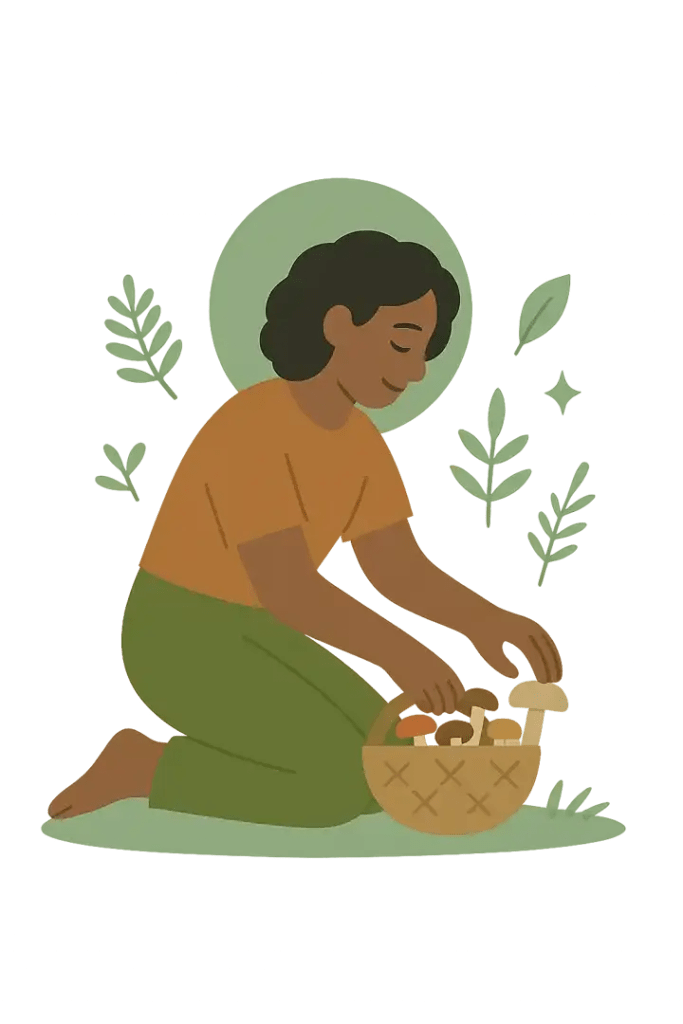
Correct plant and mushroom identification is absolutely essential. Many edible species have dangerous lookalikes that can cause serious illness — or worse. Never taste or harvest a wild plant unless you’re 100% sure, and always learn with an experienced guide.
Our RN-led foraging walks help you learn safe, responsible harvesting techniques while gaining hands-on plant ID skills.
Wild Edible Plants in Connecticut
(Click a plant’s name for more information)
Dandelion (Taraxacum)
Nutrient-packed leaves for salads; flowers make calming teas and salves.
Wild Garlic (Allium ursinum)
Aromatic leaves great for seasoning, garnishes, or infused oils.
Chickweed (Stellaria Media)
Mild and vitamin-rich; delicious raw or blended into sauces.
Nettles (Urtica)
High in iron and calcium; best cooked into soups, stews, or teas.
Garlic Mustard (Alliaria Petiolata)
Invasive but edible! Spicy greens for pestos or raw salads.
Wild Raspberries (Rubus Probus)
Found along trails in summer — sweet, high in antioxidants, and easy to identify.

Edible Mushrooms in Connecticut
(Click a plant’s name for more information)
Oyster Mushroom (Pleurotus Ostreatus)
Grows on hardwood trees; mild, tender, and versatile in cooking.
Chanterelle (Cantharellus)
Golden, fruity-smelling mushrooms loved by chefs; sauté or roast.
Chicken of the Woods (Laetiporus)
Bright orange shelf mushroom; meaty texture and mild flavor.
Honey Mushroom (Armillaria)
Grows in clusters on wood; edible only when well-cooked.
More Info on Connecticut's Wild Edible Plants
| Name | Where to Find | Identification | Lookalikes/Cautions | |
| Plants | ||||
| Wild Violets | Moist lawns, woods | Heart-shaped leaves, purple/white flowers | African violets (not edible) | |
| Purslane | Sunny gardens, soil | Succulent reddish stems, paddle leaves | Spurge (toxic, milky sap) | |
| Lamb’s Quarters | Gardens, fields | Triangular, dusty-green, white underside | Nightshade (toxic, berries) | |
| Wood Sorrel | Shady woods/lawns | Clover-like, lemony taste, yellow/white flowers | Clover (safe, bland) | |
| Plantain | Lawns, roadsides | Broad, ribbed leaves in rosette | None toxic | |
| Mushrooms | ||||
| Lion’s Mane | Hardwood logs | White, shaggy spines in clumps | None toxic | |
| Hen of the Woods | Base of oaks | Large, rosetted, gray-brown clusters | Black-staining polypore (tough) | |
| Shaggy Mane | Lawns, parks | Tall, white shaggy cap, turns inky | Alcohol Inky Cap (avoid with alcohol) | |
| Black Trumpet | Mossy hardwoods | Dark, trumpet-shaped, blends in leaves | None toxic | |
| Puffballs | Fields, clearings | White, round, solid white interior | Immature Amanita (deadly toxic) | |
Join Us for A Foraging Workshop
Step into the forest, breathe in the scent of the season, and learn to harvest wild, edible plants with confidence and care. Good Life Vitality Center’s foraging walks are more than a class ; they’re a return to your roots. Led by Jody Murphy, RN and experienced wellness educator, each session teaches plant identification, safe harvesting practices, and the deeper connection between food, nature, and healing.
What Makes Good Life VC’s Foraging Workshops Unique?
Clinical Expertise
Led by Jody Murphy — Registered Nurse, certified Reiki Master, and Hatha Yoga Instructor — every workshop balances botanical education with holistic care.
Holistic Integration
Rooted in both science and spirit, each walk blends plant wisdom with whole-body wellness and mindful connection to the land.
Nurturing Environment
We create a warm, low-pressure space where all experience levels are welcome — including complete beginners.
Nurturing Environment
We create a warm, low-pressure space where all experience levels are welcome — including complete beginners.
Personalized Care
Every workshop can reflect your unique goals — whether you’re seeking stress relief, deeper nature connection, or spiritual grounding.
Meet Your Instructor
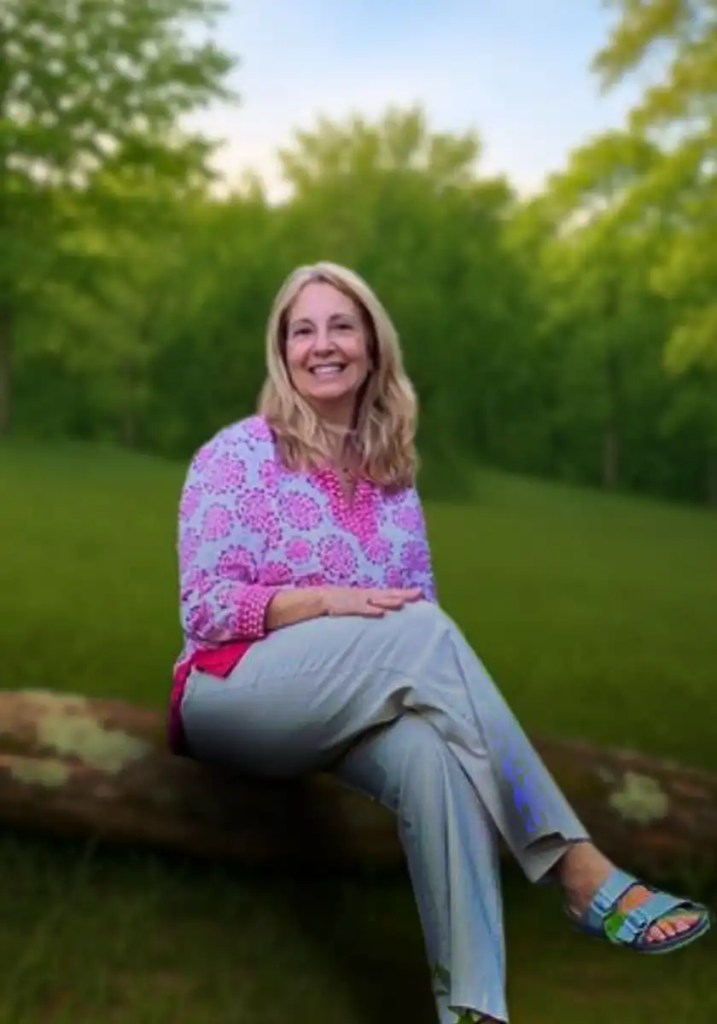
Jody Murphy, RN, MPH
Registered Nurse | Certified Reiki Practitioner | Herbal & Nature Educator
Raised in a homesteading family, Jody grew up with a deep connection to nature and earth. She learned the value of immersion in nature, mindfulness, and a thoughtful approach to sportsmanship.
Now, with decades of experience as a Registered Nurse and holistic wellness guide, Jody brings that same earth-rooted wisdom to every foraging workshop she leads. Her teaching style blends practical plant knowledge with deep reverence for nature — always grounded in safety, sustainability, and a spirit of connection.
Whether you’re brand new to wild foods or looking to deepen your skills, you’ll find Jody’s approach thoughtful, inclusive, and rich with heart.
Foraging Workshops at Good Life VC
Session Length: 2–3 hours of immersive, guided outdoor learning
Location: Local Connecticut woodlands, coastal trails, and protected public landWhat to Bring:
Comfortable weather-appropriate clothing, sturdy shoes, a notebook or journal, water, and an open mind.What’s Provided:
Foraging baskets or bags, all plant identification materials, and gentle, expert guidance every step of the way.Workshop Flow:
Warm welcome and short intro on local ecosystems
Guided walk focused on wild edible and medicinal plants
Discussion on safety, legal harvesting, and respectful foraging
Group reflection with tips for preparation, use, and storage
Optional plant tasting or recipe sharing (seasonally available)
Time for Q&A and closing thoughts
Wellness Beyond Safe Foraging
Many participants find their curiosity blooms well beyond the trail. Deepen your connection to nature and self through Jody’s integrative offerings:
Personalized Wellness Consultations – Holistic health guidance rooted in both nursing science and natural support — including breathwork, daily rhythms, and restorative habits.
Restorative Hatha Yoga – Gentle, healing movement to strengthen the body and calm the nervous system — perfect for beginners and those navigating chronic conditions.
Mindful Nature Walks & Forest Meditations – Slow, sensory-based outdoor sessions that help ground your energy and clear mental clutter.
Learn to Forage in Connecticut
Contact Us
We’re here to support your healing — body, mind, and spirit. Whether you’re seeking restorative Reiki for stress relief, an adaptive approach for chronic health support, or a more balanced way of living through holistic practices.
Reach out today to schedule your free consultation or ask a question — in-person or virtual sessions available.
Reach Out To Us:
415 Howe Ave, 3rd Floor S. Shelton CT 06484
Based in Shelton, CT. We serving clients Yoga needs across Fairfield, New Haven Counties and beyond both in person and virtually.
In-person services available in: Shelton, Westport, Fairfield, Weston, Wilton, Ridgefield, New Canaan, Easton, Redding, Monroe, Trumbull, Milford, Orange, Stratford, Bridgeport, and surrounding areas.
Virtual sessions available nationwide.
Send Us A Message
Still have questions? Looking to book a workshop or class? We’re here to help.
Frequently Asked Questions About Foraging in Connecticut
Is foraging legal in Connecticut?
Foraging is legal in Connecticut if you have landowner permission on private land, and you follow all local and state regulations for public parks and preserves. Always check posted signs and official rules before collecting wild foods.
What are the most popular cookbooks for foraged ingredients
In 2025, some of the most popular cookbooks for using foraged ingredients include The Forager Chef’s Book of Flora by Alan Bergo, The Wildcrafted Cocktail by Ellen Zachos, and The New Wildcrafted Cuisine by Pascal Baudar. These books feature creative recipes, beautiful photography, and practical tips for cooking with wild foods found in Connecticut and across North America.
What wild foods can I forage in Connecticut?
In Connecticut, you can forage a wide range of wild foods including dandelion, wild garlic, lamb’s quarters, berries, oyster mushrooms, and morels—always with proper identification and in allowed areas.
Is foraging safe for beginners in Connecticut?
Foraging can be safe for beginners in Connecticut when you learn from reliable guides, use trusted field books, and start with easily identified species. Attending a guided workshop is a safe way to begin.
When is the best time of year to forage in Connecticut?
Connecticut’s foraging season varies: spring for greens, summer for berries, late summer and fall for mushrooms. There are wild foods to find in almost every season.
What tools do I need for a foraging class?
Essential tools for foraging in Connecticut include a basket or bag, garden scissors or a knife, weather-appropriate clothing, and at least one reliable field guide.
Is it safe to taste a wild plant or mushroom to identify it?
No, you should never taste a wild plant or mushroom to identify it. Always use visual clues, and never consume anything unless you are fully confident in your identification.