Everybody experiences anxiety at some point in their life, but if youre dealing with generalized anxiety disorder, frequent panic attacks, or the mental and physical impacts of stress,it doesn’t hurt to have some go-to tricks to help you ease your symptoms.
Modern life asks a lot of our nervous systems. Stress, anxiety, and panic attacks share the same biological engine: the fight‑or‑flight response.
This guide combines quick first‑aid techniques, long‑term lifestyle habits, and professional treatment options so you can build a personal toolkit that actually works. Whether you’re hunting for panic attack treatment, stress management techniques, how to clear your mind, or ways to curb anxiety nausea, you’ll find practical, science‑backed steps below. Along the way, we’ll show how Good Life delivers nurse‑led coaching, live breathwork classes, integrative therapies, and corporate workshops to keep you steady.
What Happens in an Anxiety or Panic Attack?
Your Body on High Alert
When the brain senses threat, it releases adrenaline and cortisol. Heart rate climbs, breathing speeds up, and digestion slows—explaining the fluttery stomach and nausea many people feel. Muscles tense, pupils widen, and the mind races to scan for danger.
Stress vs. Anxiety vs. Panic
| Feature | Stress | Anxiety | Panic Attack |
| Trigger | External pressure (deadlines, bills) | Perceived future threat | Sometimes no clear trigger |
| Course | Minutes to days | Weeks to months | Peaks within 10 min |
| Main feeling | Tension & urgency | Unease & dread | Sudden intense terror |
| Key symptoms | Shoulder tightness, headaches | Restlessness, rumination | Chest tightness, short breath |
A panic attack feels like an emergency, and chest pain should always be evaluated by a clinician the first time it strikes.
Common Types of Anxiety & Anxiety-Related Diagnoses
|
Anxiety Type |
What It Feels Like | Common Triggers | Key Symptoms | How It Often Affects Life |
|---|---|---|---|---|
| Generalized Anxiety Disorder (GAD) | Constant worry, even when things seem “fine” | Everyday life, uncertainty, responsibilities | Muscle tension, racing thoughts, trouble sleeping | Drains mental energy, causes restlessness and fatigue |
| Panic Disorder | Sudden surges of fear or terror, often without warning | Stress, caffeine, physical sensations | Chest tightness, short breath, dizziness, feeling like you’re dying | Avoidance of certain places, fear of “next one” |
| Social Anxiety | Fear of embarrassment or judgment | Speaking up, eating in public, social events | Blushing, freezing, nausea, avoiding eye contact | Isolation, avoiding work meetings, skipping events |
| Health Anxiety (formerly hypochondria) | Worry that normal body sensations are signs of serious illness | Body changes, media reports, doctor visits | Repeated checking, frequent health searches | Constant self-monitoring, frequent doctor appointments |
| Obsessive-Compulsive Disorder (OCD) | Intrusive thoughts with urges to “neutralize” them | Thoughts of harm, contamination, religious fears | Repetitive behaviors (washing, checking, counting) | Time-consuming rituals, distress when interrupted |
| Post-Traumatic Stress Disorder (PTSD) | Hyper-alertness, flashbacks, or shutdown after trauma | Memories, loud noises, places, smells | Nightmares, emotional numbness, avoidance | Sleep trouble, difficulty trusting, emotional swings |
| Agoraphobia | Fear of being stuck or unable to escape if panic hits | Crowds, stores, public transit, open spaces | Feeling trapped, dizziness, needing an exit | Avoiding public places, travel restrictions |
| Phobias | Strong fear of a specific thing or situation | Heights, flying, animals, blood | Rapid heartbeat, urge to flee, sweating | Avoidance of feared object or activity |
| Separation Anxiety | Intense distress when apart from a person or place | Travel, partner leaving, being alone at night | Clinginess, panic, nightmares | Avoidance of being alone, frequent check-ins |
| Hypervigilance | Constant scanning for danger | After trauma, chronic stress, unsafe environments | Startle easily, tension, light sleep | Hard to relax, sleep disruption, relationship strain |
Early Warning Signs: Catch the Spike Before It Peaks
Body Clues
Jaw clenching, sweaty palms, racing heart, butterflies, dizziness, anxiety nausea
Emotional Clues
Irritability, jumpy mind, doom forecasting, difficulty concentrating
Behavior Clues
Doomscrolling, triple‑espresso habit, skipping meals or workouts, late‑night inbox checks
How to Clear Your Mind Quickly
Slow the breath, label the thought, then hone in on one sensory detail. Repeat three times a day; it becomes reflexive under real pressure
Read our 7 Short-Term Relief Tools for Anxiety, Stress, and Panic Guide
Mini Anxiety Self-Check
- Notice one body sensation (tight chest).
- Label one emotion (worry).
- Take three slow belly breaths, lengthening the exhale.
When To Get Help
- Daily GI distress or vomiting
- More than three panic attacks per month
- Missing work or school due to anxiety
- Thoughts of self‑harm or hopelessness
- Chest pain lasting >10 min when calm and unexerted
- Panic attacks occur >1× month
- Worry ruins sleep for ≥2 weeks
- Work, school, or social life suffers
- Thoughts of self‑harm emerge
If you’re feeling overwhelmed—whether that’s chest discomfort, trouble catching your breath, or a wave of panic that just won’t let go—please don’t go through it alone. You can call one of these support lines anytime:
- 988 Suicide & Crisis Lifeline: Dial 988 — 24/7, free and confidential
- Connecticut Warm Lines:Peer support with extended hours.
- Mental Health America: Tools and local referrals — mhanational.org
Alternative Therapies and Digital Helpers
| Therapy or Tool | What It Does | Evidence & Use Cases |
|---|---|---|
| Yoga, Tai Chi, Qigong | Combines breath, movement, and body awareness to regulate the nervous system | Shown to reduce cortisol and improve flexibility, mood, and focus. Suitable for a wide range of fitness levels. |
| Reiki & Energy Balancing | Uses light touch or energy-focused intention to promote deep relaxation | Small studies show ~15% reduction in perceived stress; widely used in hospitals and wellness settings. |
| Breathwork | Uses conscious breath patterns to downshift the stress response | Breath-based practices have shown measurable effects on heart rate variability and anxiety symptoms. |
| Homeopathy & Integrative Support | Aims to support balance using highly diluted natural substances | Evidence is mixed, but some individuals report subjective benefit when used alongside conventional care. |
| Music Therapy | Uses rhythm and tone to help calm the nervous system and support emotional expression | 60–80 BPM tracks have been linked to lowered heart rate and improved relaxation in multiple studies. |
| Animal-Assisted Support | Provides comfort and connection through therapeutic time with animals | Shown to lower blood pressure, boost mood, and reduce stress in both children and adults. |
| Aromatherapy | Uses plant-based essential oils to influence mood via the limbic system | Scents like lavender, bergamot, and chamomile are associated with reduced anxiety and better sleep. |
| Wearables & Tracking Tools | Help you monitor stress markers like HRV, sleep quality, and physical activity | Tracking patterns over time can support behavior change and increase self-awareness. |
| Journaling | Encourages emotional processing and helps spot thought loops or triggers | Linked to reduced rumination, improved mood, and greater emotional clarity when used consistently. |
| Mindfulness & Meditation Apps | Build present-moment awareness and interrupt spirals of worry | Consistent use can reduce trait anxiety and improve focus, especially when paired with daily practice. |
Long‑Term Stress Management Strategies
Those on-the-spot tricks aren’t the only way to help being overwhelmed, or facing generalized anxiety: It’s important to identify causes of chronic stress and anxiety as well.
Nutrition: You Are What You Eat
Most American’s don’t follow nutritional standards, and we seriously undervalue the impact of what we eat on our mood, energy levels, disposition, and level of executive functioning.
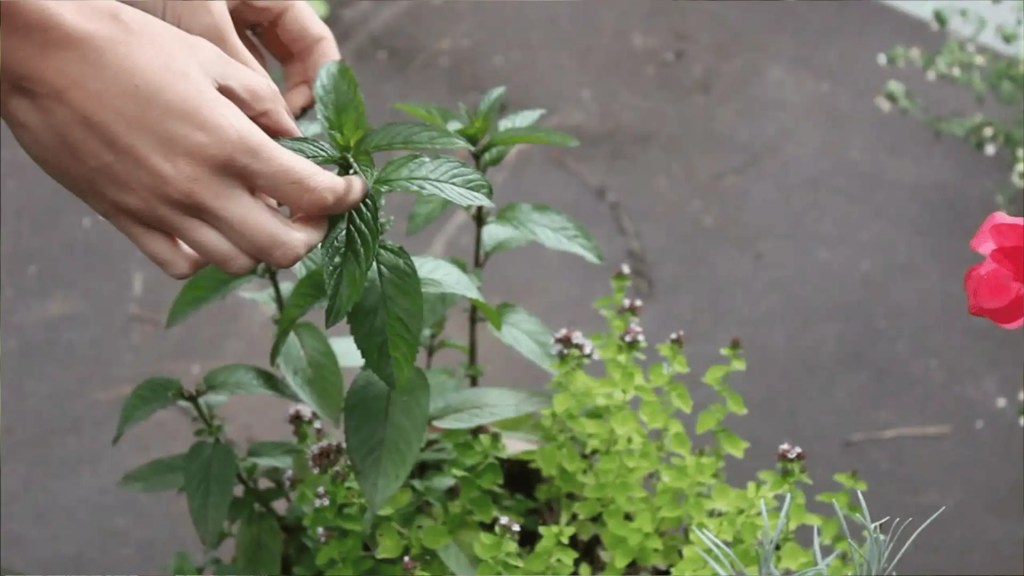
Foods That Benefits Anxiety
Berries, Citrus
Antioxidants
Dark Chocolate
Flavanols and antioxidants
Oats & Greens
Magnesium, steady glucose
Oats & Greens
Magnesium, steady glucose
Salmon, Chia Seeds
Omega-3ds help mood + inflammation
Sleep Hygiene & Mental Health
Even an hour or two of lost sleep can be a huge cause of increased anxiety, and sleep deprivation does a physical toll on your body on top of the obvious impacts on cognitive functioning and memory.
This can be worsened by stressing over loss of sleep making it even harder to sleep.
- Maintain the same bedtime and wake time daily.
- Keep the room cool (16–19 °C) and dark.
- Give screens a 60‑minute curfew.
- Try a worry journal if thoughts race at bedtime.
Foods To Avoid If You Can't Sleep
Alcohol
Caffeine
Sugar
Trans Fats
Time Management & Boundaries – Guard Your Capacity
Remember respecting yourself involves respecting your own time. Don’t overburden yourself.
- Use Pomodoro (25 min focus / 5 min stretch).
- Reserve one leisure block per week—paint, garden, play guitar.
- Try to cut down on doomscrolling and online window shopping.
Digital‑detox tip: On iOS use Settings › Focus › + to create a “Calm” mode; on Android open Digital Wellbeing › Focus Mode.
Nature & Sunlight
Twenty minutes in green space lowers cortisol and rumination. Morning sunlight locks in circadian rhythm for better sleep.
Gratitude & Journaling
Write three good things nightly. A Penn study found a one‑week practice boosted happiness for six months.
Volunteering & Acts of Kindness
Helping others activates the brain’s reward circuitry and widens social support networks—proven stress buffers.
Mental and Cognitive Skills to Clear Your Mind
How to Clear Your Mind Quickly
Slow the breath, label the thought, then hone in on one sensory detail. Repeat three times a day; it becomes reflexive under real pressure.
- Maintain the same bedtime and wake time daily.
- Keep the room cool (16–19 °C) and dark.
- Give screens a 60‑minute curfew.
- Try a worry journal if thoughts race at bedtime.
Cognitive Restructuring
- Notice the thought (“I’ll bomb this presentation”).
- Evaluate evidence: “I rehearsed twice and know my material.”
- Reframe: “I feel nervous and I’m prepared.”
- Repeating balanced thoughts steers the mind from catastrophic loops.
The 4 A’s of Stress Management
- Avoid unnecessary stressors where possible.
- Alter situations via assertive communication.
- Adapt internal language—switch “I must” to “I choose.”
- Accept what you cannot control and redirect energy to what you can influence.
Problem‑Solving Framework
Break a project into the tiniest next action. If the task is “Write annual report,” the next step might be “Draft three bullets for the executive summary.” Momentum beats perfection.
Assertive Communication
Use “I” statements: “When deadlines move last‑minute, I feel overwhelmed. Could we set a weekly timeline check‑in?” Clear requests prevent resentment and anxiety build‑up.
Social and Spiritual Supports
Human nervous systems regulate best in connection. Schedule lunches, walks, or video calls with friends who leave you feeling energized. Spiritual practices—prayer, chanting, mindfulness—lower inflammatory markers and foster meaning.
Want group accountability? Join Good Life’s holistic support circles and non-denominational meditation cohorts.
Key Takeaways and Next Steps
- Fight‑or‑flight wiring underlies panic, anxiety, and stress
- You need to thoughtfully:
- Slow your breathing
- Calm your heart rate
- Identify any thoughts that are cyclical, negative, manic, etc.
- Collect yourself, calm, and assess what triggered your panic
- Daily exercise, nutritious food, and solid sleep build long‑term resilience.
- “Reframing” thoughts keeps worries from hijacking the day.
- Professional help accelerates progress when outside perspective helps: It’s hard to stir the soup when you’re swimming in it.
About The Author
Jody Murphy, RN, BSN, MPH
Founder | Registered Nurse | Certified Reiki Practitioner | Yoga Instructor | Educator
Jody Murphy brings over 20 years of healthcare experience to her practice—combining clinical training, teaching, and compassionate energy work to support clients through transitions both big and small.
Credentials and Accreditations:
- Registered Nurse (RN) with degrees in Nursing and a Master’s in Public Health (MPH) from Liberty University
- Certified Reiki Practitioner
- Certified Hatha Yoga Instructor
- Staff Development Manager in long-term care and rehabilitation
- Clinical Instructor for LPN programs and health educators in Connecticut for over a decade
- Experienced PACU Nurse at a surgical recovery center in Darien, CT
Jody has guided patients through pre- and post-operative recovery, taught future nurses in clinical settings, and developed supportive programs for healthcare staff. She’s known for blending her expertise with a gift for creating calming, respectful space—where healing feels safe and empowering.

What is the best alternative therapy for anxiety?
The best alternative therapy for anxiety depends on your needs, but practices like yoga, breathwork, and Reiki have been shown to reduce stress and promote calm. Yoga and tai chi are especially helpful for combining movement with mental focus.
Does Reiki actually help with anxiety?
Reiki may help reduce anxiety by promoting deep relaxation. While research is still limited, small studies show it can lower perceived stress levels and improve emotional balance. It’s safe to try alongside other therapies.
Can breathwork really reduce panic or anxiety symptoms?
Yes, breathwork can help reduce anxiety symptoms by activating the body’s parasympathetic response. Techniques like box breathing or slow exhales calm the nervous system and lower heart rate.
What type of yoga is best for anxiety?
Gentle yoga, such as Hatha, restorative, or chair yoga, is often best for anxiety. These styles focus on slower movement, breath awareness, and nervous system regulation.
How does music therapy help anxiety?
Music therapy supports anxiety relief by lowering heart rate, relaxing muscles, and providing a mental focus point. Tracks around 60–80 beats per minute are especially calming.
Do aromatherapy oils work for anxiety?
Some essential oils like lavender, chamomile, and bergamot can help reduce anxiety. Inhaling these scents may calm the limbic system, which influences emotions and memory.
Is homeopathy effective for stress or anxiety?
Evidence for homeopathy is mixed, but some people find it helpful as a complementary support. It’s often used alongside coaching or lifestyle changes, not as a primary treatment.
What is HRV and how does it relate to stress?
HRV, or heart rate variability, is a measure of how your nervous system responds to stress. A higher HRV typically signals better resilience and recovery from stress. Wearables can help track it.
Can therapy dogs really reduce anxiety?
Yes, spending time with therapy dogs has been shown to reduce blood pressure, ease muscle tension, and increase feelings of comfort and connection. Even brief interactions can help.
What’s the best app for anxiety and stress relief?
Apps like Headspace, Calm, and Insight Timer are popular for guided meditation and breathing exercises. The best app is the one you’ll use consistently—try a few to see what feels right.
Is journaling a real mental health tool or just hype?
Journaling is a proven mental health tool. It can help you spot patterns, express difficult emotions, and reduce rumination, especially when practiced regularly.
Do meditation apps really help with anxiety?
Meditation apps can help reduce anxiety if used consistently. They provide structure and guidance that make it easier to stay on track, especially for beginners.
How often should I use breathwork for anxiety?
Even 5–10 minutes of breathwork once or twice a day can make a difference. The key is consistency—daily practice builds a more resilient stress response over time.
Is it safe to combine alternative therapies with medication or therapy?
Most alternative therapies like yoga, breathwork, and aromatherapy are safe to combine with medication or talk therapy. Always consult your provider if you’re unsure or managing complex conditions.
Is homeopathy helpful for anxiety or stress-related issues?
Homeopathy has mixed evidence but may offer support for mild anxiety or stress, especially when used with other holistic practices. Some clients report benefits from remedies like Gelsemium or Argentum Nitricum.
What are the best alternative therapies for anxiety and stress?
The best alternative therapies for anxiety and stress include breathwork, yoga, Reiki, and mindfulness meditation. These holistic practices help calm the nervous system, reduce cortisol, and improve emotional balance.
How does breathwork help with anxiety attacks or chronic stress?
Breathwork reduces anxiety and stress by activating the parasympathetic nervous system. Techniques like box breathing or resonance breathing lower heart rate and improve clarity during panic attacks.
Can Reiki really help with stress and anxiety relief?
Reiki may help with anxiety and stress by promoting deep relaxation and reducing tension in the body. It’s a non-invasive energy healing method often used as a complement to medical or talk therapy.
What type of yoga is best for anxiety and nervous system balance?
Gentle yoga, such as Hatha yoga, restorative yoga, and chair yoga, is best for anxiety. These styles focus on breath, slow movement, and nervous system regulation to reduce stress levels naturally.
Which essential oils are good for calming anxiety symptoms?
Lavender, chamomile, and bergamot essential oils are commonly used for anxiety relief. Inhaling these scents may calm the limbic system and help reduce emotional reactivity.
What is heart rate variability (HRV) and how does it measure stress?
Heart rate variability (HRV) reflects how your body handles stress. A higher HRV means your nervous system can recover more quickly. Wearables like Oura or WHOOP can track this stress indicator.
Do anxiety relief apps like Headspace or Calm really work?
Yes, anxiety relief apps like Headspace, Calm, and Insight Timer can help reduce daily stress and improve focus. These apps offer guided breathing, mindfulness, and meditation for beginners and pros alike.
How can music therapy reduce anxiety or emotional tension?
Music therapy helps relieve anxiety by slowing breathing, lowering blood pressure, and shifting focus away from racing thoughts. Calming music around 60–80 BPM is especially effective.
Does journaling actually help with stress and anxiety?
Yes, journaling helps manage anxiety and chronic stress by reducing rumination and increasing self-awareness. Writing just a few minutes a day can improve clarity and emotional regulation.
What is energy healing for anxiety, and is it safe?
Energy healing, such as Reiki or grounding practices, is a gentle way to manage anxiety symptoms. It’s safe when guided by a trained practitioner and often used alongside coaching or therapy.
Are animal-assisted therapies effective for anxiety relief?
Animal-assisted therapies are proven to lower anxiety and stress. Time spent with therapy dogs or companion animals can reduce blood pressure, ease tension, and improve overall mood.
Can I use holistic therapies like yoga or aromatherapy with medication for anxiety?
Yes, holistic therapies like yoga, breathwork, or aromatherapy are generally safe to combine with anxiety medication. Always talk to your provider before starting a new approach.
What’s the best natural remedy for anxiety and overthinking?
The best natural remedies for anxiety and overthinking include diaphragmatic breathing, calming herbs like chamomile, grounding exercises, and gentle movement like yoga. These help reset the nervous system without medication.
Is homeopathy helpful for anxiety or stress-related issues?
Homeopathy has mixed evidence but may offer support for mild anxiety or stress, especially when used with other holistic practices. Some clients report benefits from remedies like Gelsemium or Argentum Nitricum.